
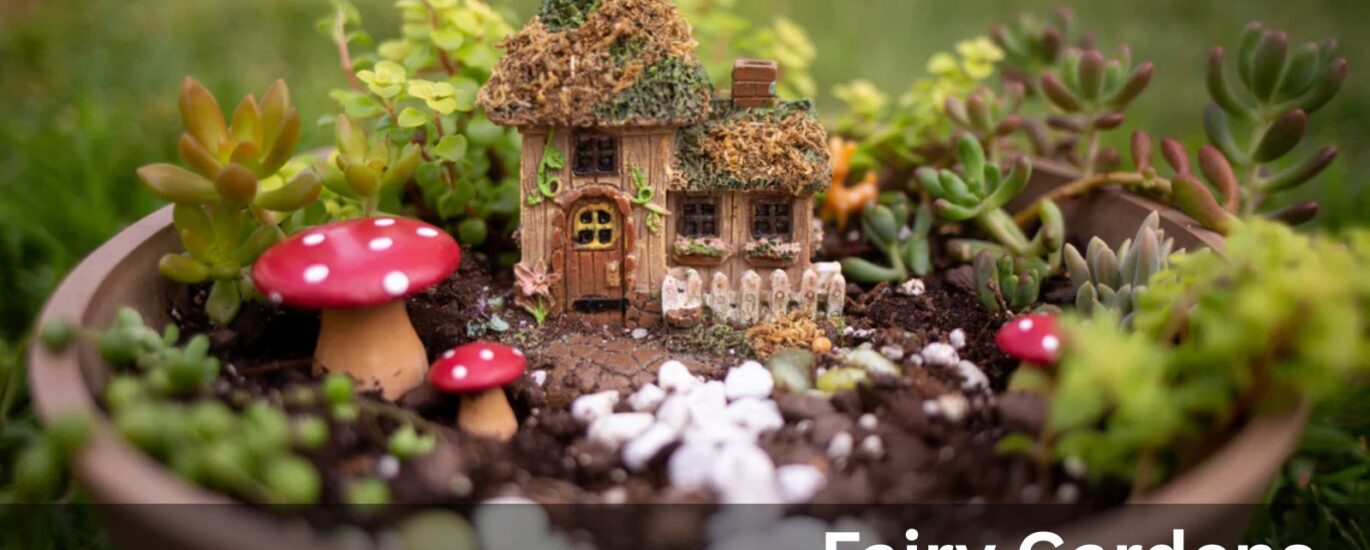
Bring A Little Magic To Your Yard With Fairy Gardens
Remember that time you saw miniature houses under mushrooms, or tiny, winged creatures in neighborhood backyards? These tiny magical charms are fairy gardens. Creating these pint-sized spaces has become a delightful hobby today. This year, with trends like sustainable designs and DIY kits, it is easier than ever to get started, whether you are a beginner or an experienced gardener. Let’s explore how you can build your own enchanting fairy garden in this article.
Magical origins of fairy gardens
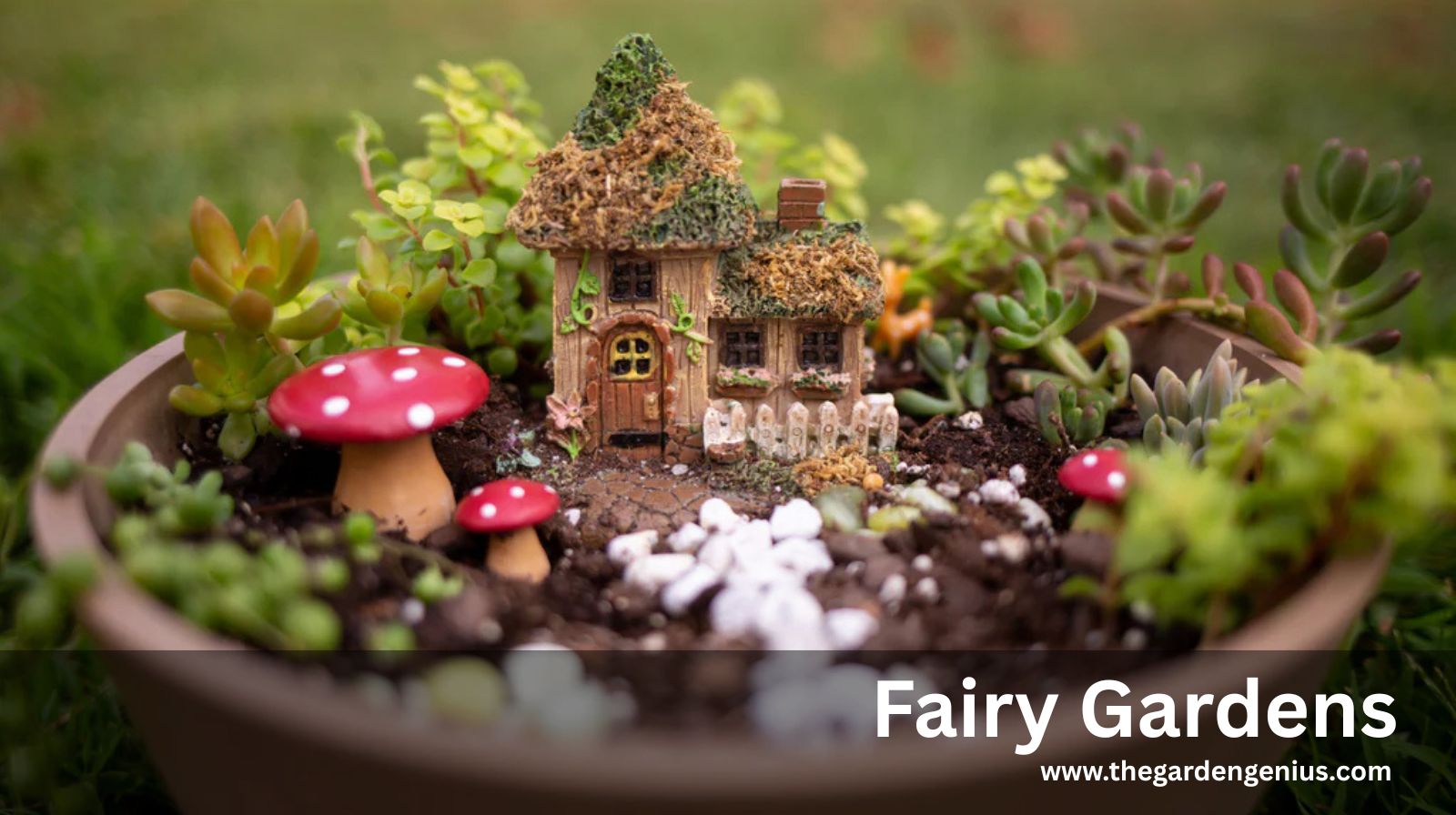
Miniature fairies for fairy gardens are not something new that just appeared. This story goes way back in history and folklore. The idea of fairies houses and gardens started in the late 19th century, growing out of Japanese bonsai and penjing traditions that focused on creating miniature landscapes with trees, rocks, and plants. The idea really took off in the US after the 1893 Chicago World’s Fair featured bonsai displays. By the mid-20th century, a British nursery owner, Anne Ashberry, popularized miniature gardens in containers like sinks, troughs, and bowls. Creating fairies houses and gardens was perfect for anyone who struggled with regular gardening in their small spaces.
Want to know what makes fairy gardens even more special? The folklore behind them. Irish, Celtic, and Germanic traditions told stories about fairies as nature spirits live in hidden groves or underground realms. People believed these tiny beings could bless you with good fortune if you treated them kindly. In places like Monhegan Island, Maine, fairy houses have been built since 1950. Today, some communities, like Maine’s Mackworth Island, keep these old traditions alive with special “Fairy House Zones” where people can build these magical creations safely.
Spark your creativity with fairy gardens ideas
Today, fairy gardens are all about being creative, personal, and sustainable. Trends are moving toward eco-friendly designs, so you can use upcycled materials instead of buying new ones. Instead of throwing out old teacups, tires, or broken pots, you can turn them into amazing fairy homes. Here are some creative fairy gardens ideas you can try today.
Want to try broken pot gardens?
Stack pieces of shattered terracotta to make cool cliffs. Then add cascading plants like creeping thyme or moss for that lush, ruined-castle look fairies love.
Add seasonal touches
Decorate for the season! In spring, use blooming succulents and painted birdhouses. In the fall, add mini pumpkins and autumn leaves.
Fairy gardens outdoors?
Outdoor magic works best in shaded spots under trees or along garden borders. Use what nature gives you as materials for your fairy garden, like logs, stones, and wildflowers. Want to give it a magical touch? Add solar-powered lights and watch your fairies houses and gardens glow at night.
Living in a small space?
No problem. Even if you have a small balcony or a tabletop, you can create a fairy garden in a container like a mason jar or a galvanized tin.
The dwellings and inhabitants
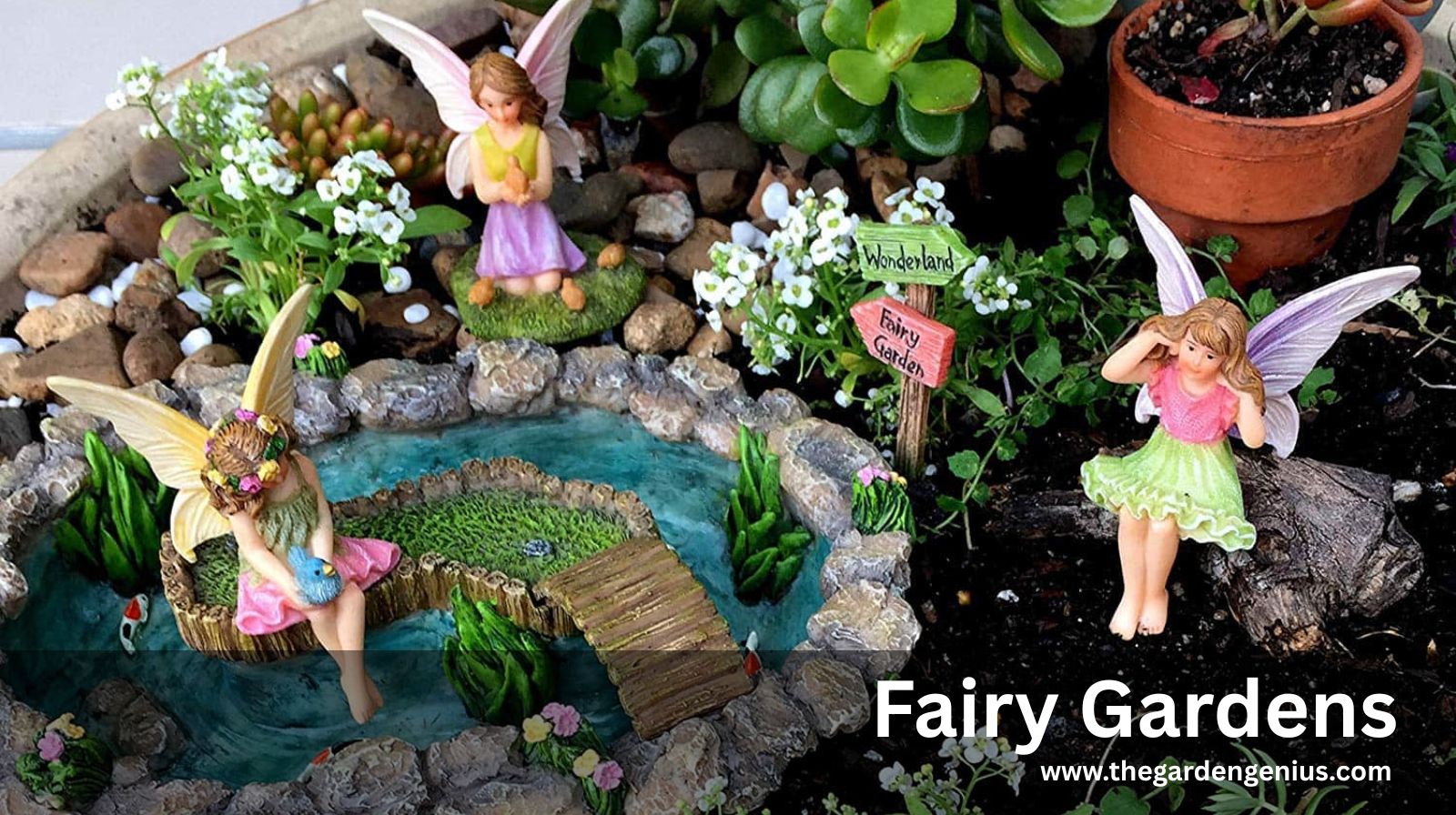
Your fairy garden is not complete without inhabitants and dwellings! Miniature fairies for fairy gardens come in so many styles now. You can find delicate resin figures with gossamer wings or clay ones you can paint yourself. For fairy gardens outdoors, make sure to choose weather-resistant fairies and animals like bunnies or dragons. Do not forget to pair your fairies with their own fairy houses. You can build them from natural materials like bark or acorn caps, or from cool 3D-printed designs.
Plants and decorations
Plants bring everything together in your fairy garden. You will want to use low-growing, miniature plants like baby tears, Irish moss, creeping thyme, or miniature ferns to keep everything in scale. Once your plants are in place, you can add fairies near entrances like arched twigs or by attaching fairy doors to tree trunks or containers. Looking for ideas? Check out pictures of fairy gardens on Pinterest. Pinterest has tons of inspiration, like enchanted forests with LED lights or fairy caravans made from old tin cans.
Easy DIY kits for everyone
Building from scratch seems like too much? A fairy gardening kit can make everything simple. Check out these popular kits.
- DIY Fairy Lantern Kit – For just $21, you can create five magical lanterns with warm white lights.
- DIY Hobbit House Kit – Build a detailed, mystical home for around $41.
- Handmade Clay Mushrooms – Add these whimsical mushrooms to your garden for just $7.
If your garden will be outdoors, look for kits made with weather-resistant materials.
FAQs
What is a fairy garden?
A fairy garden is a miniature, whimsical garden. It is designed to look like an inviting home for fairies, gnomes, or other magical creatures. You can build one in a pot, a container, or right in your backyard.
What are the rules for a fairy garden?
The good news is, there are no strict rules for fairies houses and gardens. But here are a few tips to help you.
- Keep everything in scale. Use small, low-growing plants like thyme or Irish moss with your tiny accessories so your garden looks magical and believable.
- Make sure it can drain. If your garden is in a container, it needs drainage holes so your plants do not get too much water and die.
- Focus on sustainability. Try to use native plants and upcycled materials like old teacups.
What is the story of the fairy garden?
There are both historical and folklore parts to the fairy gardens story. The idea came from Japanese bonsai traditions in the 19th century. It became popular in US after the 1893 Chicago World’s Fair. In the mid-20th century, Anne Ashberry popularized miniature gardens for small spaces, and from there, the idea evolved into the fairy gardens we know today. The folklore part comes from old Celtic and Germanic stories. Back then people believed fairies brought good luck (or a little mischief) if you gave them a welcoming space with things like tiny doors and shiny trinkets.
How do I attract fairies to my fairy garden?
According to folklore, fairies are drawn to certain things. If you want to invite them to your garden, try adding,
- Plants – Use bell-shaped flowers like foxgloves, fragrant herbs like lavender, and soft, mossy ground cover.
- Special Elements – Add little water features (mini pond), sparkly things like crystals, and create some hidden, peaceful corners for them to rest in.
Conclusion
Fairy gardens are not just a fun activity. They are a wonderful way to connect with nature, inspire imagination, and create a unique, magical space. With today’s sustainable fairy gardens designs that focus on using upcycled materials and native plants, this is the perfect time to start your own fairy garden adventure. Indoors or outdoors, big or small, these tiny worlds bring a little magic into your day and share smiles with others.
So why not use your creativity and give it a try? Your fairy garden adventure is waiting for you.
What magical world will you create first?
